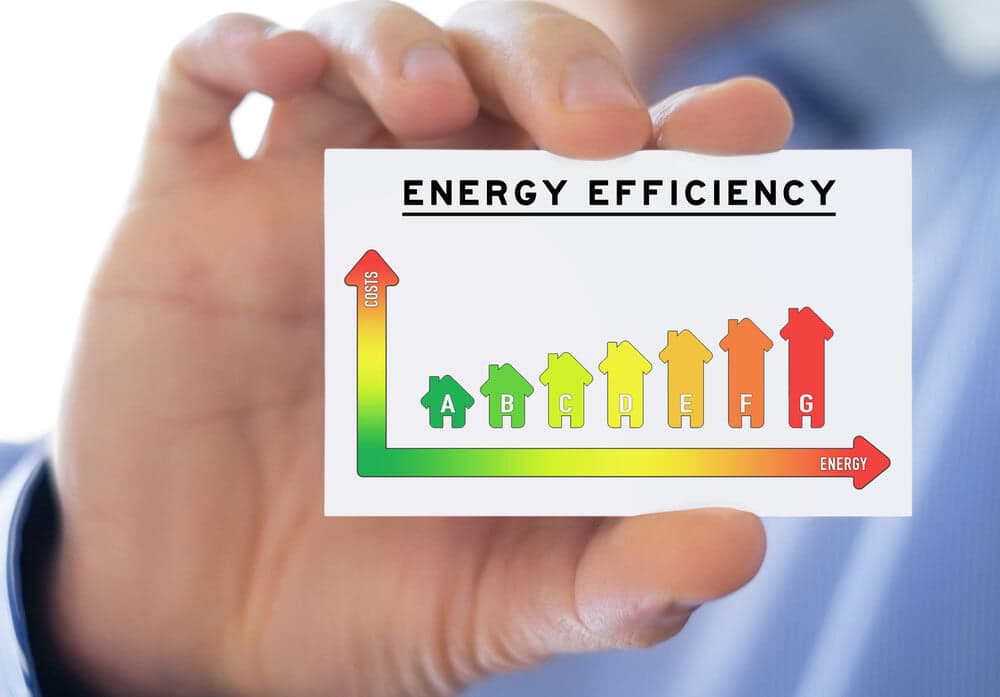
Understanding Energy Efficiency in Custom Homes
ConstructionX writes for owners who want a clearer way to build. A custom home, major addition, cottage, rescue project, or performance upgrade is not a simple purchase. It is a sequence of decisions that affect cost, comfort, schedule, durability, and trust. The strongest projects are not the ones that rush into construction. They are the ones that define scope, pressure test assumptions, and make the important decisions visible before the site starts moving.
The goal of this article is not to sell a shortcut. It is to explain the decision in plain language so homeowners, builders, architects, and developers can understand what is at stake. Better information creates better conversations. Better conversations create better scopes. Better scopes create stronger projects.
Energy efficiency is a system, not a product
Energy efficiency is often sold through individual upgrades. Better windows. More insulation. A heat pump. Solar readiness. LED lighting. Smart thermostats. These can all help, but none of them should be treated as the whole answer.
A custom home becomes energy efficient when the envelope, mechanical systems, ventilation, controls, lighting, and occupant needs are coordinated. The home must resist heat loss, control air leakage, manage moisture, provide fresh air, heat and cool efficiently, and remain comfortable in real conditions.
That means energy efficiency starts before construction. It begins with the site, design, assemblies, performance goals, and budget priorities. A builder who understands that relationship can help clients make better decisions.
The building envelope does the first job
The building envelope separates indoors from outdoors. It includes foundation, walls, roof, windows, doors, insulation, air barrier, vapour strategy, and water control details. If the envelope is weak, the mechanical system has to work harder.
Air leakage is especially important. A home can have good insulation numbers but still lose performance through gaps, penetrations, poor transitions, and weak detailing. Air movement can carry heat and moisture, creating comfort and durability issues.
Better envelope planning improves comfort. Rooms feel more even. Drafts are reduced. Mechanical systems can operate more predictably. Energy use can be lowered because the home is not constantly fighting the outdoors.
Windows are comfort decisions
Windows affect light, views, design, heat loss, solar gain, condensation risk, noise, and comfort. Large glass areas can be beautiful, but they require planning. Placement, performance, shading, installation, and interior layout all matter.
Triple pane windows or higher performance glazing may improve comfort and reduce energy loss in the right project. But the decision should be tied to the design and climate. A window package should not be selected only by cost or appearance.
Poor window planning can create cold surfaces, overheating, glare, and uneven room comfort. Strong planning uses windows as part of the full home performance strategy.
Heating and cooling should match the home
Mechanical systems should be sized and selected after the envelope and design are understood. Oversized equipment can short cycle, reduce comfort, and waste money. Undersized equipment can struggle during extreme conditions. Poor distribution can leave some rooms uncomfortable.
Heat pumps, furnaces, boilers, radiant floor heating, zoned systems, and hybrid approaches can all be valid depending on the project. Natural Resources Canada notes that ENERGY STAR certified air source heat pumps use less energy on average than standard models. That makes them worth considering, but only as part of proper mechanical design.
The question is not which system is trendy. The question is which system fits the home, climate, budget, and owner’s expectations.
Ventilation is essential in better homes
As homes become tighter, ventilation becomes more important. Fresh air, humidity control, odour removal, and indoor air quality cannot be left to random leakage. HRV and ERV systems help exchange stale indoor air with fresh outdoor air while recovering energy from the exhaust stream.
Ventilation strategy should be planned with the envelope and mechanical system. A tight home with poor ventilation can feel uncomfortable. A leaky home with no control wastes energy. A better home needs both efficiency and fresh air.
Owners should ask how ventilation will be handled, where equipment will be located, how maintenance will work, and how the system supports comfort through the seasons.
Lighting and controls contribute to performance
LED lighting reduces energy use and offers better control when selected properly. ENERGY STAR and Natural Resources Canada both identify LED lighting as a high efficiency choice compared with incandescent lighting. In a custom home, LED planning also improves design flexibility and user experience.
Controls matter too. Thermostats, lighting scenes, occupancy sensors, energy monitoring, and smart home systems can help reduce waste when they are easy to use. Complicated controls that nobody understands may not deliver the intended benefit.
Technology should support good habits. The best system is one the owner will actually use.
Energy efficiency should be connected to budget
Not every upgrade has the same return. Some reduce operating cost. Some improve comfort. Some support future resale. Some create resilience or future readiness. Some are easier to include during construction than to add later.
A realistic budget should separate must have performance items from optional upgrades. The owner should understand why each decision is recommended and what it affects.
This is where transparent planning helps. Efficiency decisions should not be sold through vague claims. They should be tied to comfort, cost, durability, and long term value.
Common mistakes
The first mistake is buying products without a plan. A high performance product can disappoint if the surrounding system is weak.
The second mistake is ignoring air sealing. Insulation alone is not enough if the home leaks.
The third mistake is oversizing mechanical equipment. Bigger is not automatically better.
The fourth mistake is forgetting maintenance. Filters, ventilation, controls, and mechanical equipment need access and clear instructions.
The fifth mistake is treating energy efficiency as only an environmental issue. It is also a comfort, cost, and quality issue.
What a better process looks like
A better process defines performance goals early, reviews the site, plans the envelope, coordinates mechanical design, selects windows intentionally, includes ventilation strategy, and documents decisions. During construction, the team verifies that details are followed. At handover, the owner learns how to operate the home.
Energy efficiency is not finished when a product is installed. It is finished when the home performs as a coordinated system and the owner understands how to use it.
How to use this article in a real project
The best use of this article is as a planning filter, not as a script. Every project has its own site, budget, ownership structure, design intent, trade conditions, and risk profile. The point is to help owners slow down the right decision before it becomes expensive. For Understanding Energy Efficiency in Custom Homes, the practical focus is home performance. That means the conversation should move beyond opinion and into evidence.
Start by asking what information is already known. Then separate assumptions from confirmed facts. A client may know the preferred style of home, but not the site work required. They may know the budget target, but not the cost of the mechanical standard they want. They may know they are frustrated with a project, but not which failures are contractual, technical, financial, or communication related. Clarity begins when those categories are separated.
What should be documented
For this topic, documentation should focus on envelope, windows, HVAC, ventilation, lighting, and controls. The record does not need to be complicated, but it does need to be useful. A good project record includes the current decision, the reason for the decision, the budget effect, the schedule effect, the person responsible, the information still missing, and the next action.
That kind of record protects everyone. It helps the owner remember what was agreed. It helps the builder coordinate trades. It helps designers and engineers understand constraints. It helps future project managers see why the project moved in a certain direction. Most construction conflict is made worse by weak memory. Documentation reduces that problem.
The questions worth asking early
Before committing, ask what could make the decision wrong. That question is more useful than asking for reassurance. What condition could change the cost? What trade input is still missing? What approval could affect timing? What selection has not been made? What performance expectation has not been translated into a specification? What responsibility is still unclear?
The answer may not stop the project. It may simply show where contingency, planning, or further review is needed. The goal is not to eliminate every unknown. That is impossible in construction. The goal is to prevent avoidable unknowns from being treated as facts.
The risk of moving too fast
The main risk in this topic is chasing energy savings without coordinating the building system. Fast decisions can feel efficient, especially when the owner is eager to move forward. But construction punishes weak assumptions. Once materials are ordered, trades are scheduled, permits are underway, or walls are closed, the cost of correction rises.
A disciplined pause is not the same as delay. It is a controlled step that confirms the work can proceed with fewer surprises. Strong builders do this naturally. They do not treat questions as obstacles. They treat questions as protection for the client and the project.
What a strong next step looks like
A strong next step is specific. It names what will be reviewed, who will review it, what information is needed, and what decision will follow. For some projects that may be a budgetary review. For others it may be a site walk, design meeting, trade quote, legal conversation, energy performance review, or construction rescue assessment.
Avoid vague next steps like “get a better price” or “figure it out later.” Those phrases push risk downstream. A better next step turns uncertainty into an action. That is how a project moves forward with confidence instead of pressure.
A better way to start
The safest time to improve a project is before pressure takes over. That does not mean every detail must be solved on day one. It means the project needs a controlled path for making decisions, recording assumptions, pricing real scope, and protecting the client from avoidable surprises.
ConstructionX approaches custom home building, construction management, home efficiency upgrades, additions, landscape construction, and project rescue through that lens. The work is practical. The standard is premium. The process is built around clarity, documentation, and building science rather than vague promises.
If you are planning a new home, trying to understand a budget, comparing builders, or dealing with a project that has lost control, the next step is not to collect another loose opinion. The next step is to organize the facts, define the risks, and create a plan that can actually be built.
Practical review before you decide
Before moving forward, slow the decision down enough to test the facts. Confirm the goal, the project type, the budget range, the site reality, the required approvals, and the decisions that are still open. Ask what is known, what is assumed, and what could change once design, engineering, trades, or site conditions are reviewed.
This is not about creating paperwork for its own sake. It is about preventing expensive confusion. The strongest construction decisions are usually made before pressure arrives. A clear scope, realistic budget, documented assumptions, and a disciplined next step give the owner a better chance of protecting time, money, and trust.
The owner should also decide what proof is needed before approval. That proof may be a written scope, a revised drawing, a trade quote, an engineering note, a permit path, an allowance schedule, a site photo record, a product specification, or a meeting summary. The exact item depends on the project, but the principle is the same. A decision should be supported by enough information that everyone understands what is being approved and what still needs attention.
When a project uses that discipline, the conversation changes. The client is not relying on sales confidence. The builder is not relying on memory. The team is working from a shared record. That is what turns a good idea into a construction decision that can survive pressure.
Use this resource to prepare better questions before a project conversation. Final project decisions still depend on site, scope, budget, schedule, and qualified professional review.