Cold Rooms
Rooms that never feel comfortable can point to envelope weakness, insulation gaps, HVAC coordination issues, or air movement problems.

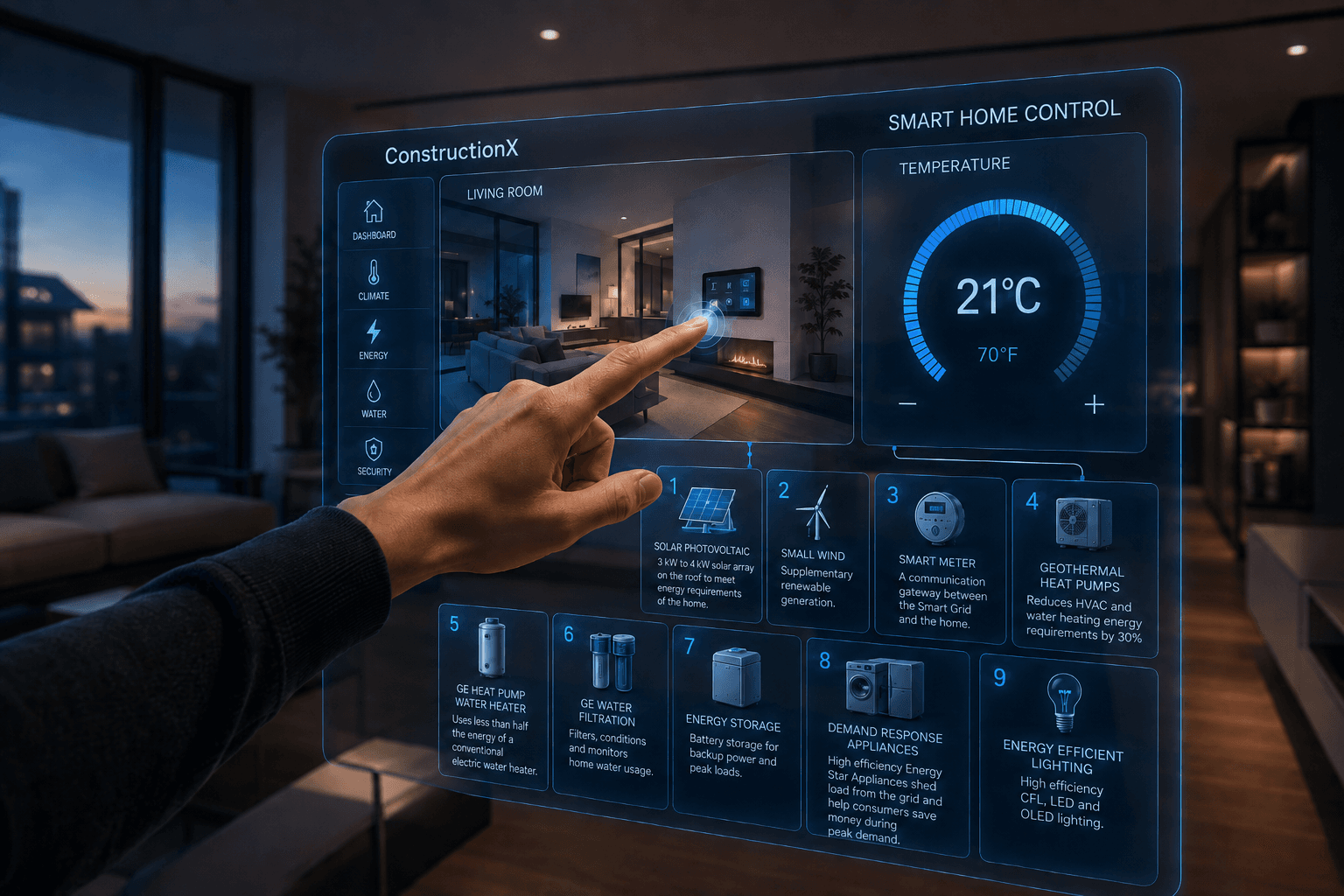
Home Efficiency Upgrades
ConstructionX helps homeowners, property owners, builders, architects, developers, investors, and property teams plan home efficiency upgrades that connect comfort, durability, energy performance, indoor air quality, moisture control, and long term property value.
Home Performance
A better performing home is not created by one product alone. ConstructionX looks at the building envelope, insulation, air sealing, ventilation, HVAC coordination, lighting, moisture, and renovation goals together so home performance upgrades support the whole property instead of creating new problems behind the walls.
Rooms that never feel comfortable can point to envelope weakness, insulation gaps, HVAC coordination issues, or air movement problems.
Air leakage can make a home feel unstable, waste energy, move moisture, and undermine comfort even when equipment is working.
High utility costs can point to envelope weakness, insulation gaps, HVAC coordination, ventilation, controls, or disconnected renovation decisions.
A tighter or older home needs ventilation decisions that support indoor air quality, moisture control, comfort, and building durability.
Insulation upgrades, air sealing, window work, basement details, and HVAC changes can affect how water, vapour, and drying potential behave.
Owners and project teams need to know what to improve first, what can wait, and how each choice affects the whole home before money is spent.
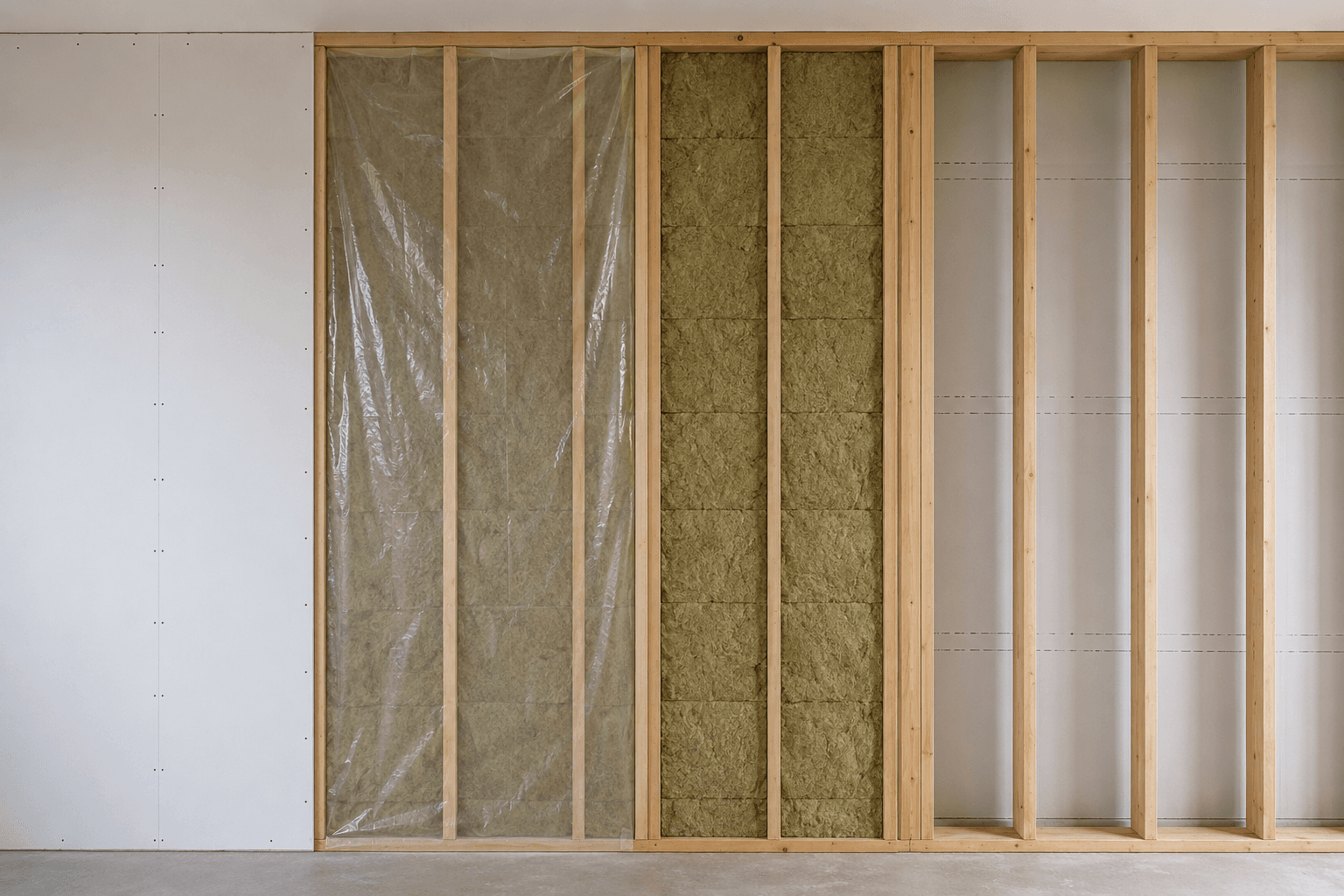
Comfort, waste, heating, cooling, and ventilation decisions stay connected through envelope upgrades.
Building Envelope
Insulation, air sealing, windows, doors, attic conditions, basement details, and wall assemblies all affect how a home feels and performs. ConstructionX helps identify which home efficiency upgrades matter most before money is spent on disconnected improvements. A stronger building envelope can improve indoor comfort, reduce waste, support HVAC coordination, and protect the home from moisture problems that often appear after renovation work is already underway.
Envelope upgrades shape heating, cooling, air movement, moisture control, comfort, and renovation decisions.
Review upgrades as one home plan before one product creates comfort, moisture, or sequencing problems.
Upgrade Strategy
Home efficiency upgrades work best when the existing home is understood first. ConstructionX reviews comfort issues, visible conditions, renovation goals, mechanical systems, envelope weak points, priorities, trades, building protection, and long term value so the next step is based on the home, not guesswork. The result is a practical sequence that separates urgent performance issues from optional improvements and helps owners avoid disconnected upgrades that create new problems.
Review comfort issues, visible conditions, renovation goals, mechanical systems, and the parts of the home affecting performance.
Look for envelope gaps, air leakage, insulation limits, window and door concerns, ventilation issues, and moisture control needs.
Separate urgent performance problems from optional improvements so the work follows a practical sequence.
Connect insulation, windows, doors, HVAC coordination, ventilation, air sealing, and renovation work through one managed path.
Plan upgrades around moisture control, ventilation, durability, indoor comfort, and the way the home will be used.
Target home performance upgrades that support comfort, energy efficiency, long term operating cost, and property confidence.
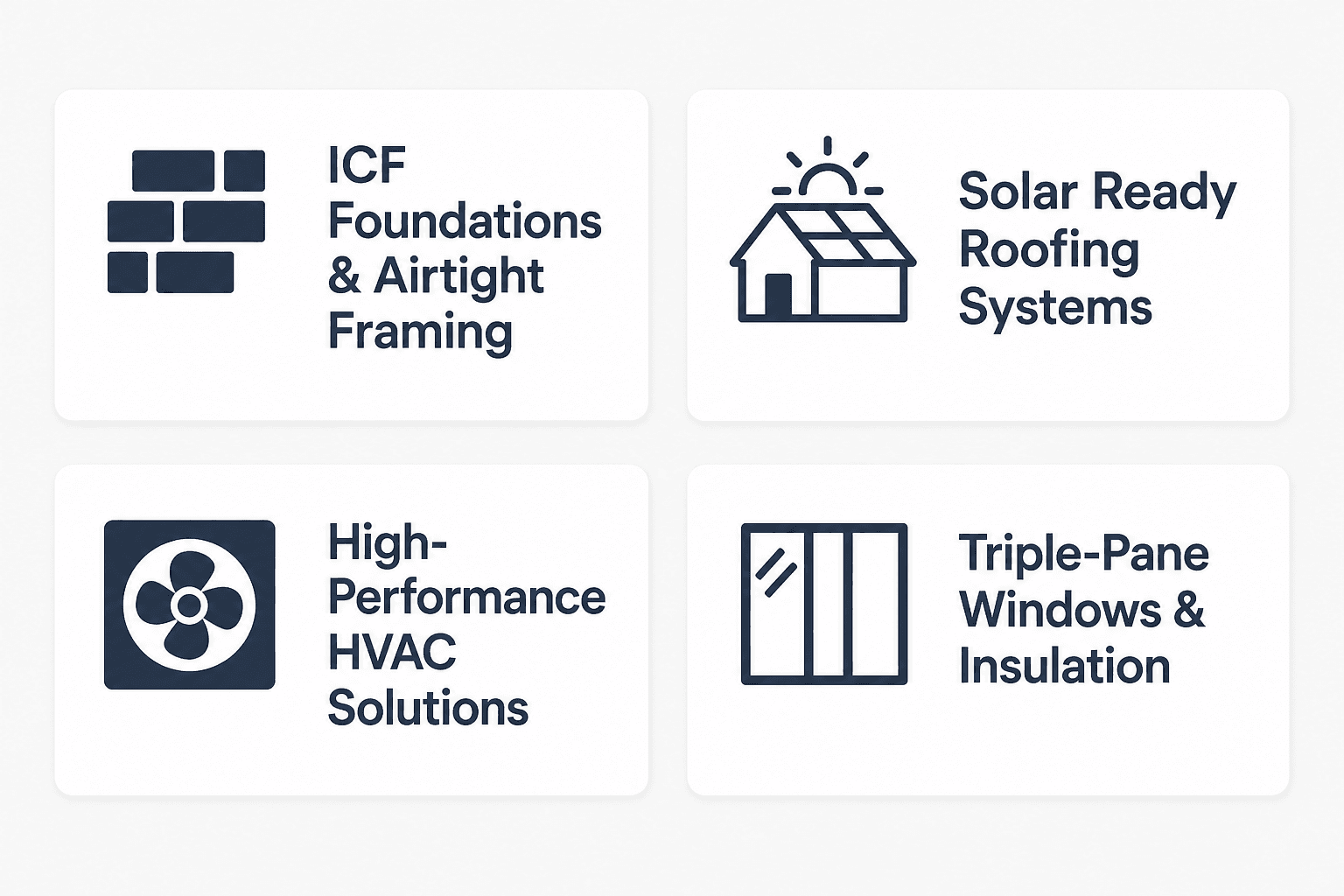
Heat pumps, HVAC, ventilation, insulation, windows, and air sealing need to stay coordinated.
Whole home planning prevents one upgrade from creating comfort, moisture, or performance problems.
System Coordination
Heat pumps, HVAC changes, ventilation upgrades, window work, insulation, lighting, air sealing, and moisture control should not be treated as isolated purchases. ConstructionX coordinates the work so each decision supports comfort, durability, future use, and the right upgrade sequence.
Ventilation decisions support indoor air quality, humidity control, comfort, and tighter envelope upgrades.
HVAC and heat pump planning should match the improved home, envelope work, and comfort target.
Moisture control belongs in the plan before walls, attics, basements, windows, doors, and openings change.
The plan should support how the property will be lived in, renovated, maintained, operated, and adapted.
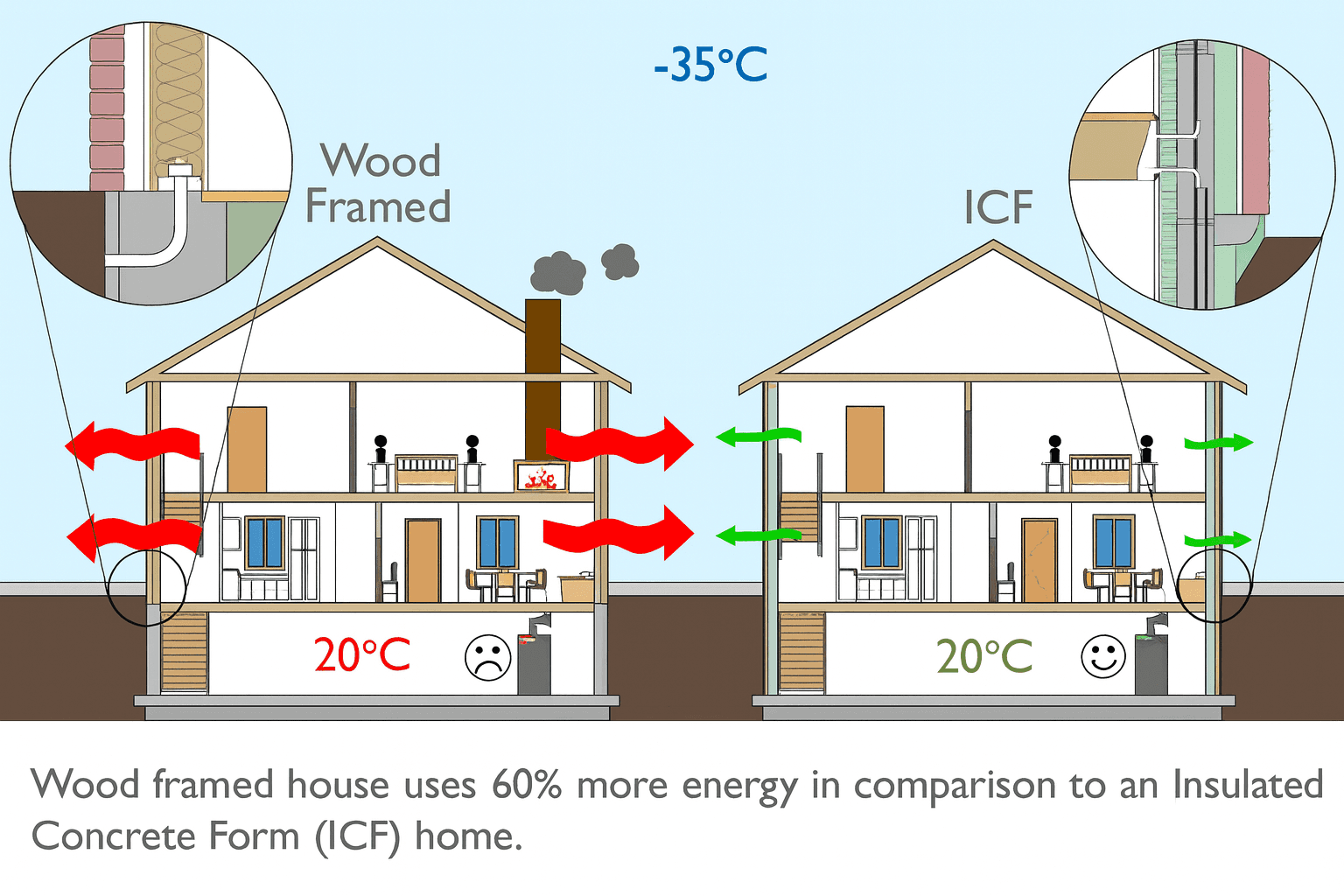
Foundation performance, basement comfort, moisture control, and durability matter from the start.
ICF Foundation
ICF foundation planning can improve basement comfort, thermal performance, durability, and moisture resistance when it is coordinated with the rest of the home efficiency strategy. The foundation affects how the lower level feels, how heat moves, how moisture is controlled, and how future mechanical and insulation upgrades perform.
Better foundation performance can reduce cold lower levels and support more usable living space.
Drainage, insulation continuity, wall conditions, and durability stay connected in the foundation plan.
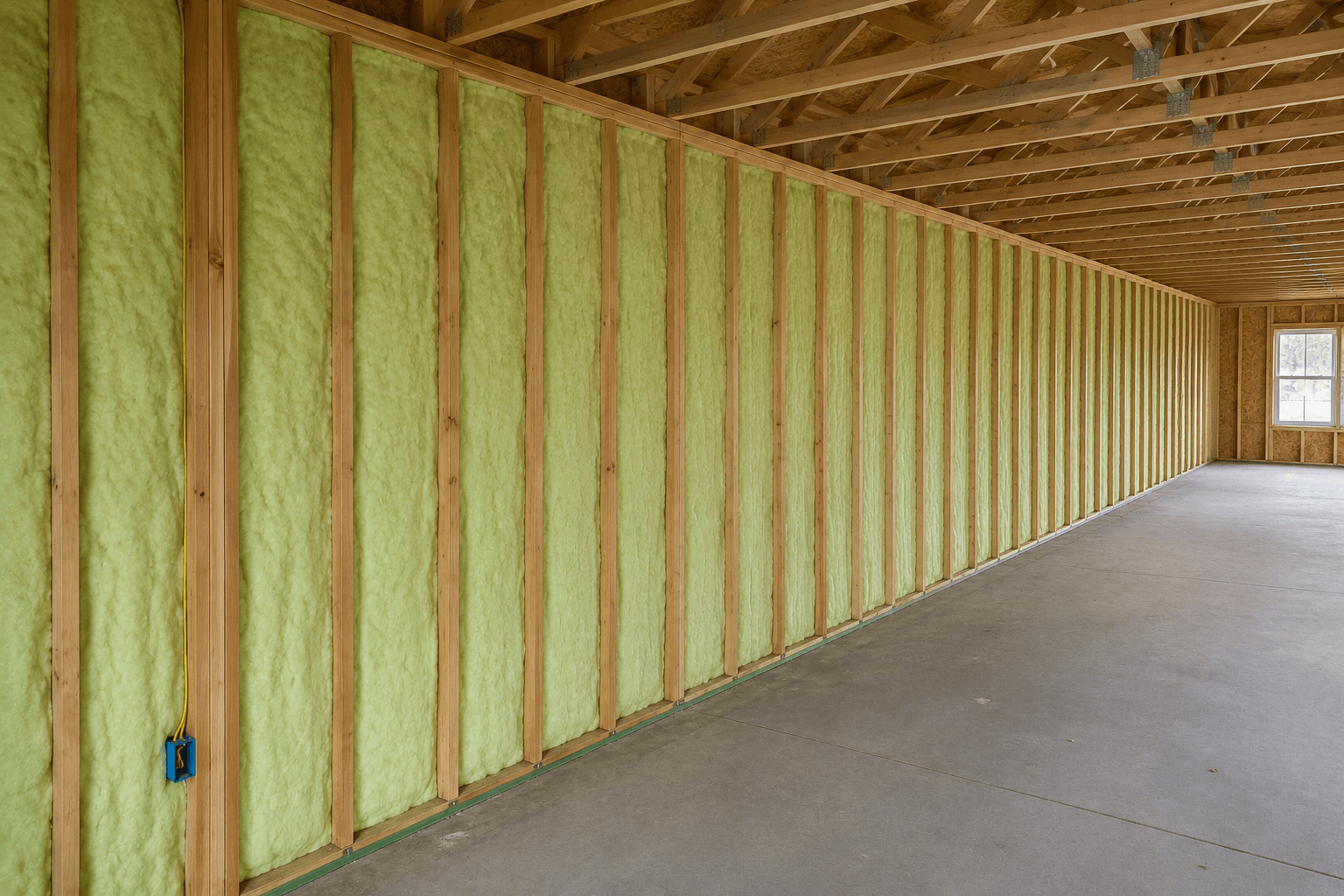
Drafts, cold areas, renovation openings, and envelope weak points need targeted insulation control.
Spray Foam Insulation
Spray foam insulation can improve comfort, air sealing, thermal gaps, and hard to reach envelope areas, but it has to be planned carefully around framing, ventilation, moisture, and the existing building assembly. ConstructionX reviews where foam belongs, where other insulation may be better, and how the upgrade affects comfort, durability, and sequencing before walls or ceilings are closed back in during the upgrade.
Spray foam can help close difficult gaps where drafts, heat loss, and comfort complaints often begin.
The material choice has to respect moisture, ventilation, framing conditions, and assembly design.
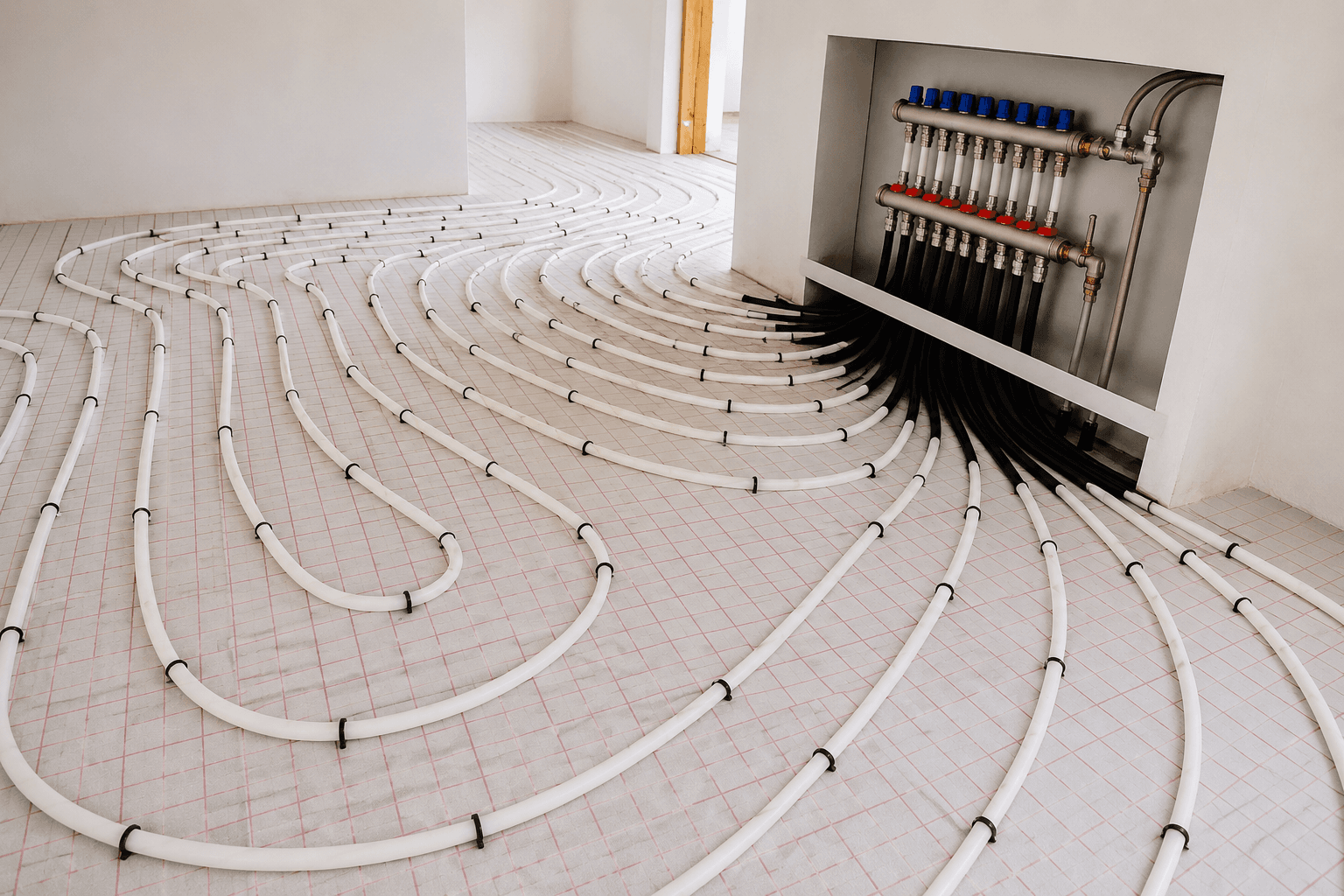
For homes where comfort, quiet heat, basement performance, or addition planning should be designed as one system.
Radiant Floor Heating
Radiant floor heating can improve comfort, especially in basements, bathrooms, additions, and high use living areas. ConstructionX plans radiant systems around flooring, insulation, mechanical coordination, room use, control zones, and the long term comfort goals of the home so the system supports the space instead of becoming an isolated upgrade.
Radiant heat can improve how a room feels where cold floors or lower level comfort are problems.
Floor assemblies, insulation, controls, and mechanical equipment need to work together before install.
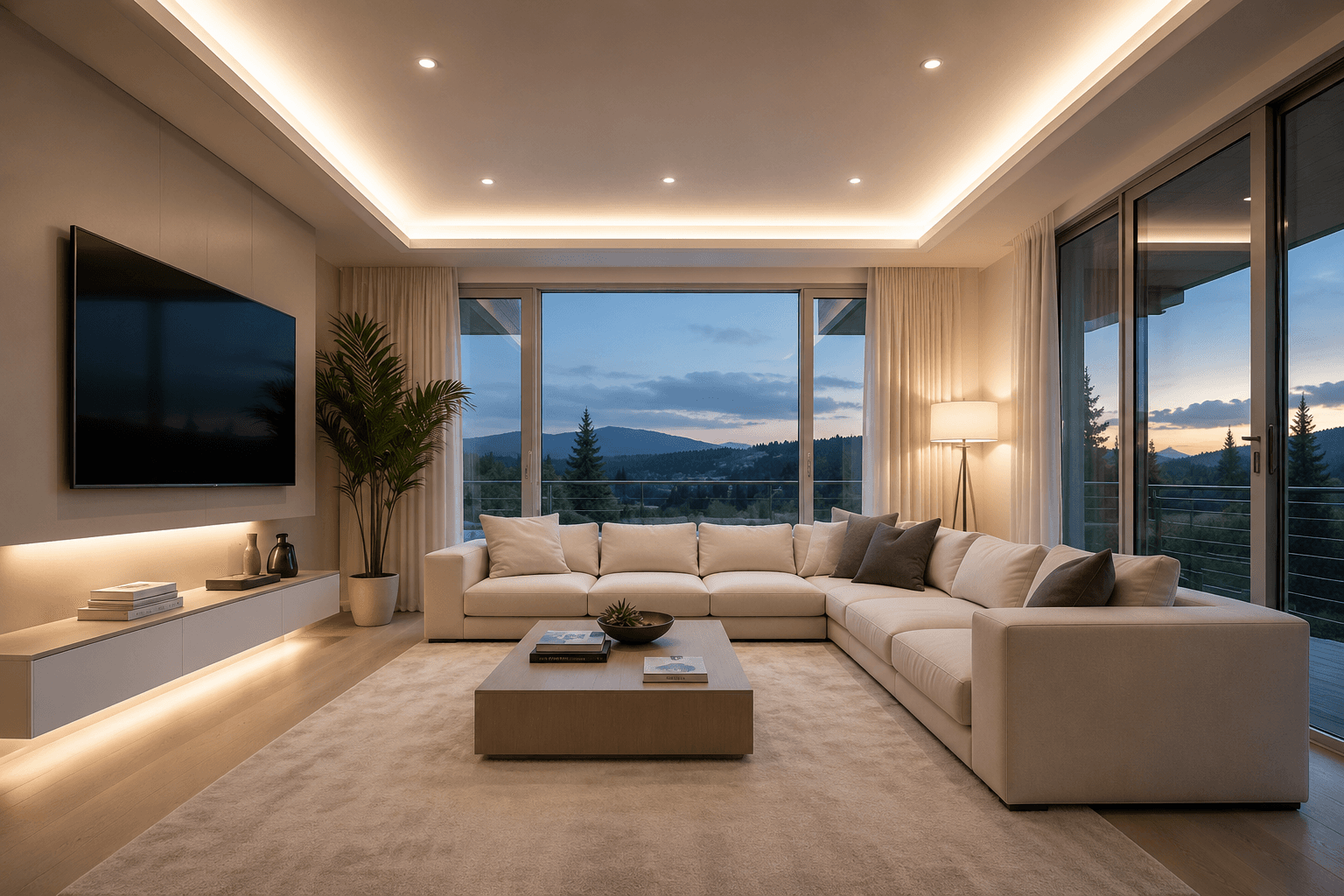
For homes where lighting, controls, room function, and energy performance should be planned together.
LED Lighting
LED lighting can reduce energy use, but the bigger value comes from planning the right layout, brightness, controls, and fixture strategy for how each room actually works. Good lighting upgrades should support comfort, safety, task use, atmosphere, future maintenance, and the finished feel of the home.
Lighting should match how each space is used, from kitchens and work zones to living areas and exterior paths.
Dimming, switching, fixture placement, and smart controls should be planned before finishes are closed up.
Clearer Decisions
The goal is not to sell every possible upgrade. The goal is to understand the home, separate urgent performance issues from optional improvements, and create a practical sequence that protects the investment. ConstructionX helps owners, builders, architects, developers, investors, and property teams make clearer decisions about what should happen now, what should wait, and what needs to be coordinated before work begins.
ConstructionX reviews envelope upgrades, insulation, air sealing, ventilation, HVAC, heat pumps, windows, and doors together.
The right sequence protects the building and helps owners avoid paying twice when one upgrade changes timing, scope, or the next decision.
Indoor comfort comes from the way the home performs, not from one disconnected purchase or a rushed equipment change.
High performance renovation planning needs scope, trades, site conditions, owner priorities, documentation, and communication managed together.
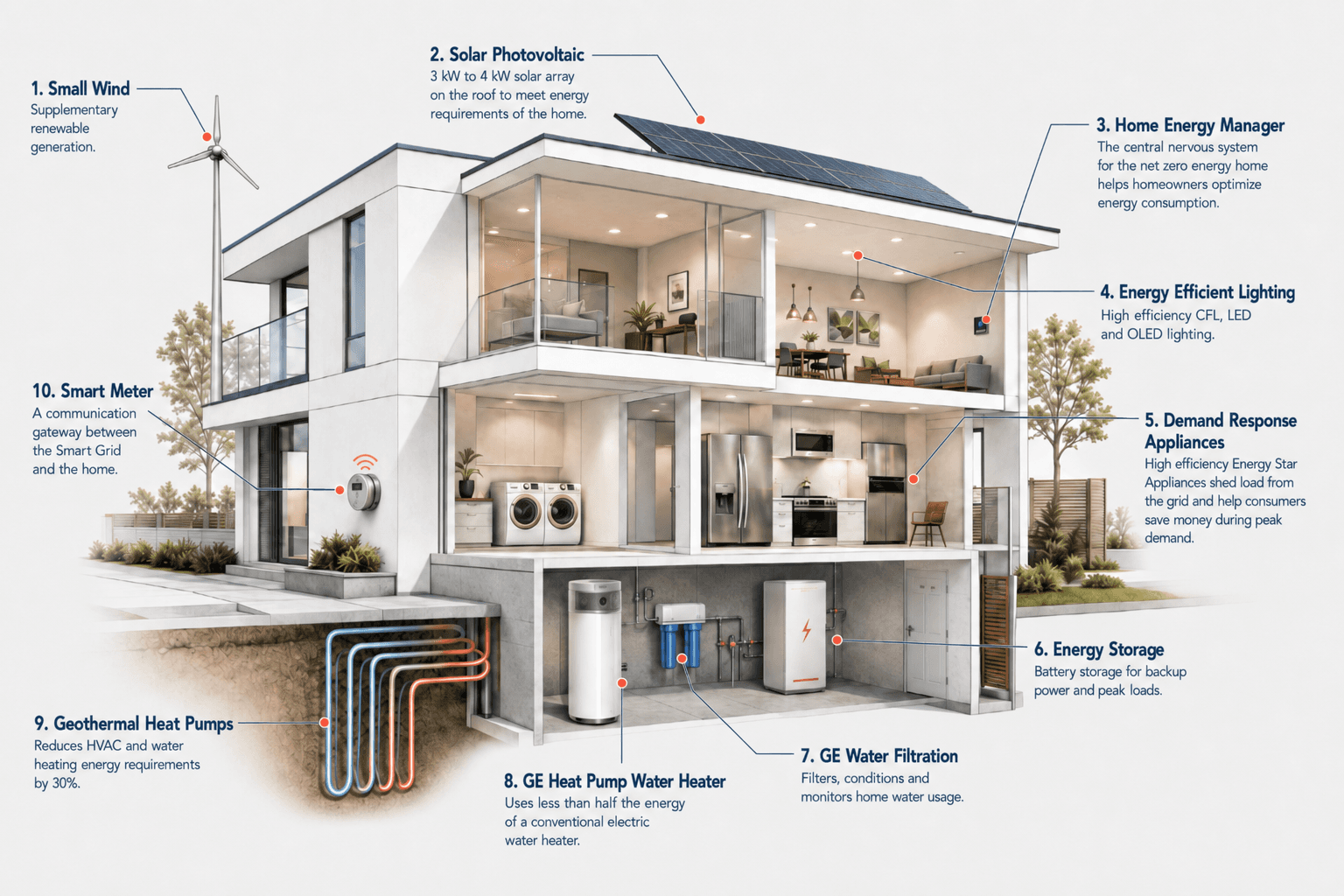
Comfort, operating cost, and performance decisions improve when the plan respects how the home is built.
Performance Planning
Bring comfort issues, energy concerns, renovation goals, and property constraints into a ConstructionX review so the next step is based on the whole home, not guesswork. A better plan connects the envelope, insulation, ventilation, HVAC coordination, lighting, moisture control, budget priorities, long term operating cost, and future use before work opens up. That gives homeowners, builders, architects, developers, investors, and property teams a clearer path before trades, materials, and decisions start moving.
Start With The Right Conversation
The first step is a practical conversation about the existing home, what feels wrong, what needs to change, and which home efficiency upgrades should be planned before work opens up.
Service Pathways
From custom homes and construction management to construction rescue, home efficiency upgrades, additions, conversions, and landscape construction, ConstructionX gives homeowners, builders, architects, developers, investors, and property teams a clearer path to the right next move.

Construction Rescue
Construction project takeover requires more than a new contractor. It starts with diagnosis, documentation, site stabilization, trade review, budget reality, and a recovery plan.

Building Science
Sustainable homes are not built from one product. They come from coordinated decisions across the envelope, mechanical systems, ventilation, lighting, controls, and long term operation.
Resources and Articles
ConstructionX resources help owners think through building science, cost clarity, project rescue, management risk, and service fit before decisions get expensive.
Follow ConstructionX
Follow project updates, building science notes, construction insights, and company updates.